Legal Affairs — Field report TQL-LAW-449
Flat Fee, Hourly, or Percentage? What a Probate Quote Is Measured Against
Three firms can quote the same estate three ways and all be honest. The difference is what sits inside the number, and what quietly sits outside it.
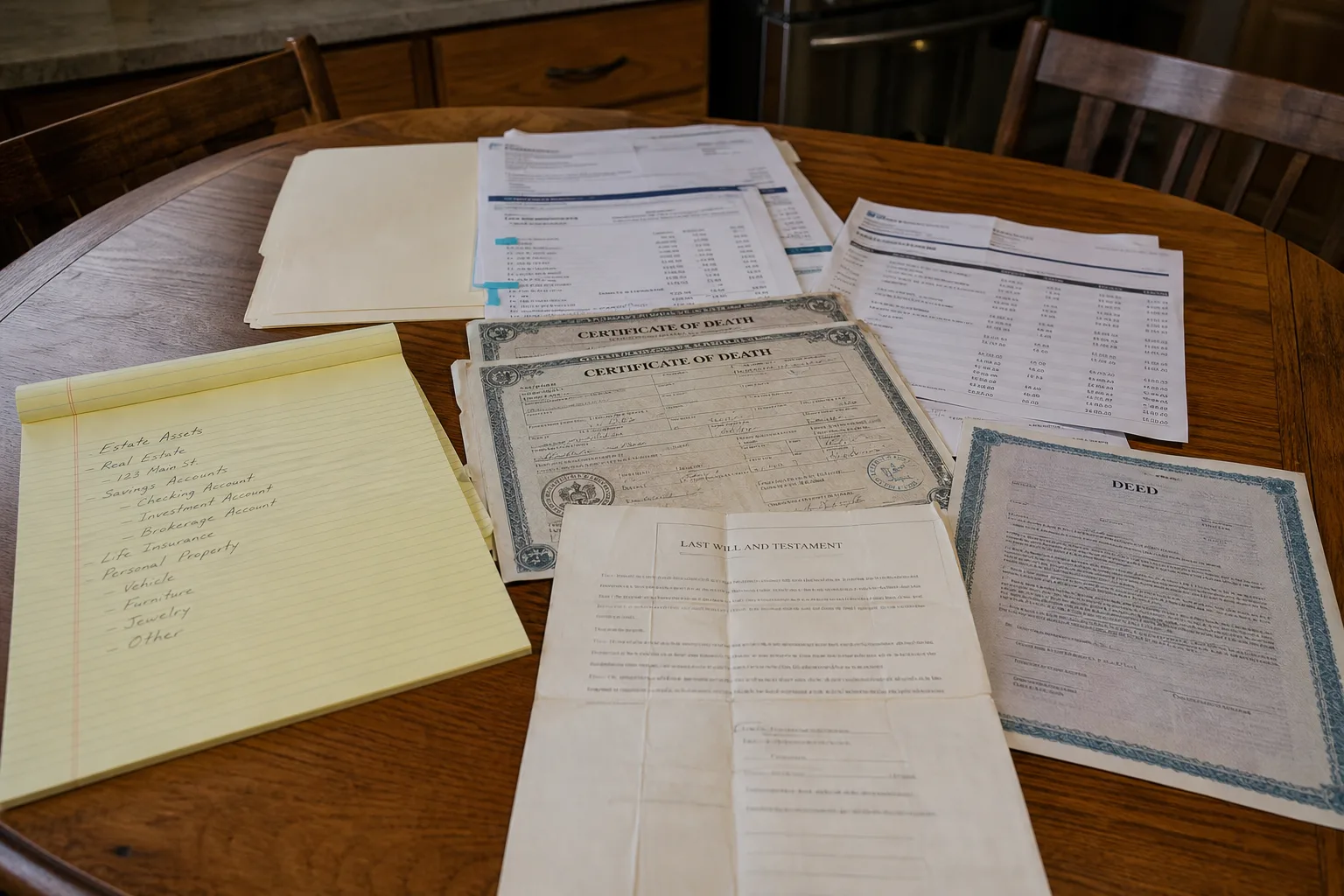
Three firms can look at the same estate and hand you three numbers that have almost nothing in common. One quotes a flat fee. One quotes an hourly rate with a staffing mix. One quotes a percentage and doesn't say of what. None of them is being dishonest. They are each measuring against a different base, and until you know which base, you cannot compare anything. That is the part that decides whether the engagement goes smoothly or turns into a series of surprised phone calls eight months in.
The work of getting a useful quote happens before the meeting, not during it. What you bring to the first conversation sets the ceiling on how specific anyone can be.
The base figure, and the four things it is usually measured against
Ask directly what the quoted number attaches to. There are only a handful of answers in practice, and each one behaves differently as the estate changes shape.
- Hours worked, at tiered rates. The partner rate is the headline, but most routine administration should not be done at the partner rate. A real quote names who does what: attorney, associate, paralegal, and the rate for each. It also names the billing increment and how often invoices arrive.
- A flat fee for ordinary administration. The useful question here is not the amount. It is the boundary. What makes a task extraordinary, who decides, and what happens to the fee when it crosses that line.
- A percentage of the estate. Of the gross estate or the net? Does it count real property at full value even when a mortgage consumes most of the equity? Does it count assets that pass by beneficiary designation and never enter probate at all? Those three questions can move the fee enormously on the same set of facts.
- A hybrid. Flat for the core filings, hourly for anything contested, litigation rates if it goes to a hearing. Common, and usually the most honest shape for an estate nobody can fully see yet.
A barely adequate quote stops at the number and the rate sheet. A good one explains the measurement. If you ask what the percentage is applied to and the answer is vague, that vagueness will not improve once you have signed.
What sits outside almost every quote
Fees and costs are different categories, and the gap between them catches people. Court filing fees, certified copies of letters, publication of notice to creditors, the fiduciary bond premium if the will doesn't waive it, appraisals of real property or a business interest, recording fees, courier and postage, and sometimes an accountant. None of that is legal work, and almost none of it is inside a flat fee.
Tax filings are their own question. The estate may need an employer identification number, a final individual return for the decedent, and a fiduciary income tax return if the estate earns income while it stays open. The Internal Revenue Service is responsible for federal estate and fiduciary tax filing requirements, and whether the firm prepares those returns, supervises an outside accountant, or leaves them entirely to you should be written down before you agree to anything. It is one of the most common places where an estimate and a final bill part company.
Ask for the exclusions in writing as a list. A firm that has done this often will already have the list. That alone tells you something.
Why the lens of a larger firm changes the math
At a solo practice, you know who is doing the work. At a larger firm or an estate administration department, the quote is really a staffing plan, and the staffing plan is where the value lives. Routine probate has a great deal of repeatable work in it: inventory preparation, notice to creditors, account gathering, deadline tracking, correspondence with banks that each want a slightly different form. A firm with trained paralegals and an established process does that work at a lower rate and in fewer passes than an attorney doing it between other matters.
So the comparison is not partner rate against partner rate. It is the blended cost of getting the whole estate administered. A higher headline rate attached to a team that moves the file every week frequently costs less in total than a lower rate attached to a file that sits. When you talk to a probate lawyer at a firm with depth behind them, ask what percentage of the matter is expected to be handled below the attorney rate and who your day-to-day contact will be.
Two more things worth asking a larger provider, because they can answer and a one-person shop sometimes cannot: what happens if your attorney is in trial for three weeks, and what happens if the matter turns contested. Continuity and the ability to escalate in-house are real features. They are also the reason a larger firm can quote a hybrid structure with confidence instead of hedging everything hourly.
What to gather before the first call
The quality of the estimate is limited by the quality of the facts. Bring these, and the conversation changes character immediately.
- The original will, if there is one, and where it is physically kept. Note any codicils.
- Several certified copies of the death certificate. Institutions rarely return them.
- A one-page asset list with the form of title beside each item: solely owned, joint with right of survivorship, payable on death, in trust, beneficiary named. This single column determines how much actually goes through probate, and therefore most of the work.
- Deeds for any real property, with the county. Out-of-state property may mean a second proceeding.
- Statements dated near the date of death for accounts, retirement plans, and life insurance.
- Known debts: mortgage, credit cards, medical bills, any judgment or lien.
- Names and addresses of the heirs or beneficiaries, and an honest note about anyone likely to object.
- Business interests, partnership agreements, or anything with a buy-sell provision.
- The last two years of the decedent's tax returns, if you can reach them.
The contest question matters more than the dollar figures. An uncontested estate with eight accounts is predictable work. A modest estate with one angry sibling is not, and a firm that knows this up front can quote the first phase accurately and tell you what the trigger looks like for the second.
How to tell a good engagement letter from a thin one
Read the fee agreement for four specifics. The scope, described as tasks rather than as a category. The staffing, with rates. The costs you pay directly, listed. And the re-quote trigger: the sentence that says what event moves this matter out of the quoted structure and what happens next.
Also look for the reporting rhythm. Monthly invoices with task-level detail let you see drift while it is still small. Quarterly summaries with a lump figure do not. And confirm who signs what: the executor or personal representative carries legal duties that the firm supports but does not absorb, and a good letter says plainly which decisions remain yours.
When all four specifics are present, two quotes with different structures become genuinely comparable. You can line up the scope, add the excluded costs to each, and see which one is actually cheaper for the estate you have rather than the estate in the abstract. That is a half hour of reading that routinely pays for itself several times over before the file closes.