Money — Field report TQL-MON-979
The Contents Limit Looks Generous Until You Read the Caps Sitting Inside It
Personal property coverage is written as a percentage of the dwelling limit, which produces a number big enough that most people stop reading there.
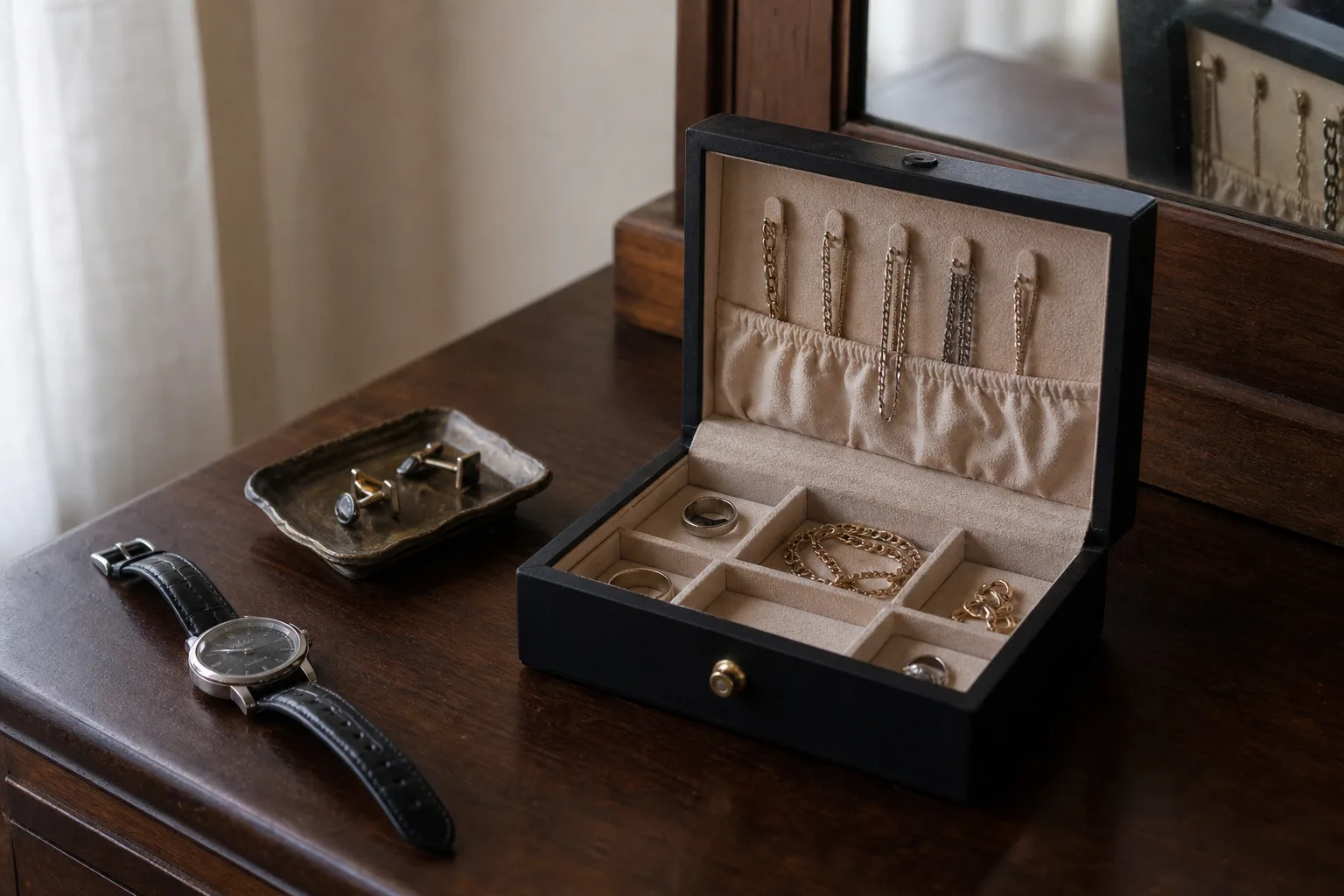
Picture the contents line on a declarations page: personal property coverage written as a percentage of the dwelling limit, producing a figure comfortably into six digits, at which point most households stop reading and conclude that everything they own is covered. Inside that number sit separate caps on specific categories, set at figures that have not moved much in a very long time, and they are where contents coverage quietly runs out. Spring is when renewal notices tend to land and when the garage finally gets opened, which makes it a practical moment to look at both.
Where the Caps Usually Sit
The categories carrying separate limits stay consistent across most policies even where the amounts differ. Jewelry, watches and furs, typically with a much lower cap for theft specifically than for other perils. Silverware and goldware. Firearms. Cash and precious metals, capped very low indeed. Securities and documents. Business property kept at the home. Property kept somewhere other than the residence, such as a student's belongings at school. Watercraft and trailers. Two features of these caps catch people out. The cap is usually per occurrence for the whole category rather than per item, so a burglary taking four pieces of jewelry meets one modest limit for all four. And the theft cap on jewelry is frequently a fraction of what the same pieces would be covered for in a fire.
The Endorsement That Fixes It
The remedy is scheduling. A scheduled personal property endorsement lists specific items individually at agreed values, usually with no deductible and with broader coverage than the base policy provides, including mysterious disappearance for a ring that is simply not where it should be. Scheduling requires a value, which for jewelry generally means a written appraisal and for other categories may mean a receipt or a professional valuation, and appraisals age, so a piece valued a decade ago may be scheduled well below what replacing it now would take.
The cost per item is modest relative to the value covered, and it is one of the few insurance purchases where the benefit is defined precisely in advance rather than argued about afterward. The sensible approach is to ask an agent for the rate on the two or three items that would genuinely hurt to lose, rather than attempting to schedule a household. Most people find the list is shorter than they expected, and that the items on it are not the ones they would have guessed before walking through the house with the question in mind.
Business Property at Home, Which Nearly Everyone Underestimates
The cap on business property kept at a residence is typically low and applies to more than people assume: tools used for work, a laptop used for a side business, inventory occupying a spare room, camera equipment used for paid jobs. If anything at all is run from the house, this is worth a specific conversation rather than an assumption, and the answer is usually either an endorsement raising the limit or a small separate commercial policy, the second of which is often cheaper than expected. What is certain is that the base homeowners policy is not where that property is adequately covered, and a garage break in is a poor moment to find out.
An Inventory That Actually Gets Finished
Complete inventories rarely get finished, which is largely why they rarely get started, and a partial one done properly beats a comprehensive one that lives inside somebody's head. Walk each room on video with a phone, opening closets, drawers and cabinets, narrating what things are wherever it is not obvious, which covers most houses in twenty minutes. Photograph the high value items individually, including serial numbers on electronics and tools and hallmarks or engravings on jewelry. Write a list of anything above a threshold you pick, with what it is, roughly when it arrived and what it cost, and do not attempt to list socks.
Store the result somewhere that survives the house, meaning cloud storage or a copy at a relative's, since an inventory on a computer that burned with the building is not an inventory. Then redo the video walkthrough once a year, which takes another twenty minutes and captures everything that changed without any listing effort at all. The garage and the shed are the parts people skip and the parts holding the most value per square foot, between lawn equipment, power tools, bicycles, sporting goods and camping gear, and a household that has never inventoried a garage almost always guesses low by a wide margin.
The Other Half of the Same Check
While the policy is open, look at how personal property is settled, because that single term moves more money than most of the caps do. Replacement cost coverage pays what it costs to buy the item new today, while actual cash value pays that figure less depreciation, which on a six year old television or a ten year old sofa is a substantial reduction. Many policies default to actual cash value on contents unless replacement cost is specifically added, and the endorsement is usually inexpensive relative to the difference it makes when a claim is being settled.
An afternoon in April, a twenty minute video, and two questions to an agent about the category caps and the settlement basis. That is the entire exercise, and what it produces is not really more coverage. It is knowing the shape of the coverage you already bought, which turns the most uncertain part of a homeowners policy into the part you could describe from memory, and leaves the garage a good deal tidier than the morning found it.