Legal Affairs — Field report TQL-LAW-596
A Story Against a Folder: What Actually Decides an Ordinary Small Claims Case
The party who loses usually arrived with a story and no paper. The other side arrived with a folder, and only one of them gave the judge something to decide on.
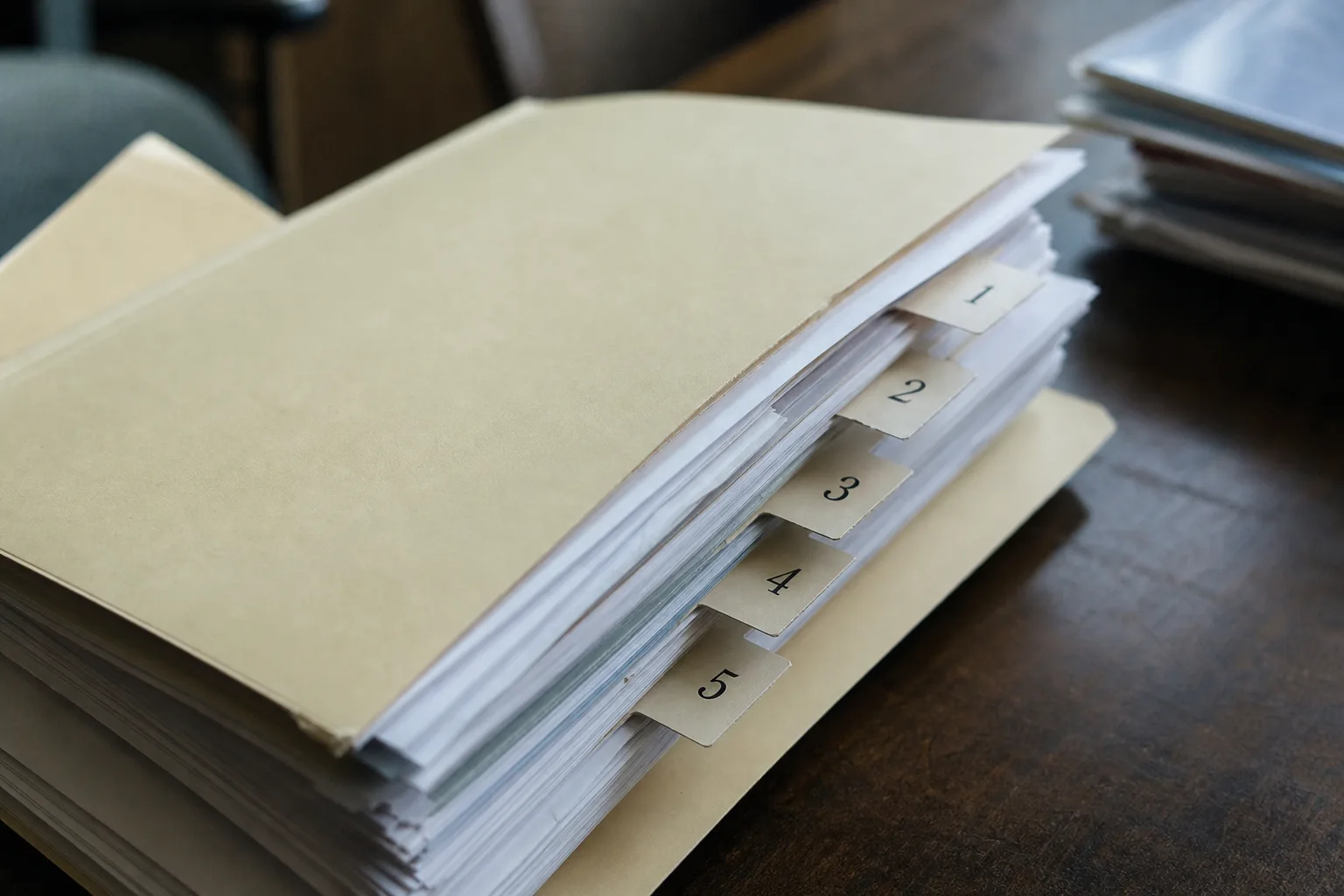
The party who loses a small claims case is usually the one who arrived with a story and no paper, while the other side arrived with a folder. Both were telling the truth as they understood it, and only one of them handed the court something it could decide on. Small claims exists for people without attorneys, so the formal rules of evidence are relaxed, and that relaxation is regularly misread as evidence mattering less. It matters more, because there is no discovery process to fill in what you left out and no second hearing to repair what you forgot to bring.
Documents Made at the Time Beat Documents Made Later
The single most useful category is anything created while the events were actually happening, by somebody with no reason to shade it. A dated invoice, a text thread, a work order, a delivery confirmation, an email confirming a schedule change, a photograph with its file information intact. Set that against a timeline you typed up last week, which is genuinely useful to you and reads to the court as your argument rather than as your evidence. Bring it anyway, but bring it as an index to the documents rather than as a substitute for them.
The version that works is a single page with dates down the left, one line of description in the middle, and the exhibit number of the supporting document on the right. That page tells a judge where to look and then gets out of the way while the documents do the talking, which is the opposite of what a narrative does. It also forces you to notice, while you are still at home, which lines on your own timeline have nothing sitting behind them. Those are the parts of your case that will be met with a question you cannot answer.
Photographs, and the Two Things That Make Them Useful
Photographs are the most common evidence in property disputes and the most commonly wasted. A close up of a stain proves that a stain exists and very little else, since it says nothing about where in the room it sits, how large it is, or when it appeared. Two fixes handle most of that. Put something in the frame for scale and context so the image locates itself in the room, and keep the original file rather than a screenshot or a copy that has been passed through a messaging app, because the original carries the date it was taken and the copy generally does not.
What the Other Side Wrote Down Outweighs What You Wrote
This is the part people underuse. A statement made by the other party against their own interest carries a weight your own account cannot, because nobody writes those on purpose. The contractor's text saying he would return Thursday to fix the tile. The property manager's email acknowledging that the request arrived in March. The estimate listing a scope of work that was never performed. Go back through every channel you communicated on, pull everything the other side wrote, and then look for the distance between what they said they would do and what happened, because that distance is usually the case.
The Material That Gets Ignored
Some things people spend a week assembling have almost no effect, and knowing which ones saves that week. Character material is the biggest of them, including screenshots of somebody's poor reviews from other customers, which goes to whether a business is generally bad rather than to what happened in your transaction. Unsigned estimates from friends fall into the same bin, since a quote from somebody who never inspected the property carries little weight while two written estimates from unrelated licensed businesses that did look at the work carry a great deal.
Volume is the quiet killer. A hundred and forty pages of printed messages in no particular order is functionally the same as bringing nothing, because nobody is going to hunt through it for the four that matter, so pull those four and put them on top. Hearsay with no author present has the same problem, since a note saying a neighbor told you the crew left at noon does little unless the neighbor is there or has signed something. And recordings deserve real caution, because several states require every party to consent and a recording that was unlawful to make can create a separate problem for the person who made it.
Proving the Amount, Which Is Where Most Claims Fail
Liability is often not seriously in dispute. Everybody agrees the floor was damaged, and the case turns on how much, which is exactly where unprepared claimants collapse, having proved a wrong without ever proving a number. What proves a number is a paid invoice for a repair already done, or a written estimate for one not yet done. A receipt for the original purchase, where you are claiming the value of something ruined. The rental or replacement cost of whatever you had to substitute while the thing was out of service.
What does not prove a number is your sense of what it ought to be worth, a figure lifted from an online marketplace with no connection to condition, or a total that quietly includes your own time at a rate you invented. If you are claiming your own labor, be conservative about it and be explicit about how you calculated it, since a modest and clearly explained figure survives questioning while an ambitious one invites the court to discount the entire claim. That discount is rarely limited to the line that caused it.
Handing It Over in an Order Somebody Else Can Follow
Bring three copies of everything, one for the judge, one for the other side and one for yourself, and number the exhibits so you can refer to them by number instead of describing them. Put them in the order of your timeline rather than the order you happened to find them in. Check the local court's rules first, because some jurisdictions require exhibits to be exchanged with the other party before the hearing date and arriving with a surprise document can get it excluded entirely, which is a five minute phone call to the clerk's office.
None of this requires legal training, and none of it is about being persuasive in the room. It requires keeping the right things while they are still easy to keep, and then arriving with them arranged so somebody who has never met you can follow the sequence without help. The claimants who do well in these hearings are rarely the most articulate ones. They are the ones whose folder answers each question a moment before it is asked, which leaves the story with nothing left to carry.