House & Home — Field report TQL-HOM-562
Three Different Adjusters Can Walk the Same Loss and Only One Works for You
Somebody arrives with a tablet and a moisture meter and introduces themselves as the adjuster. Most homeowners never ask which kind they are.
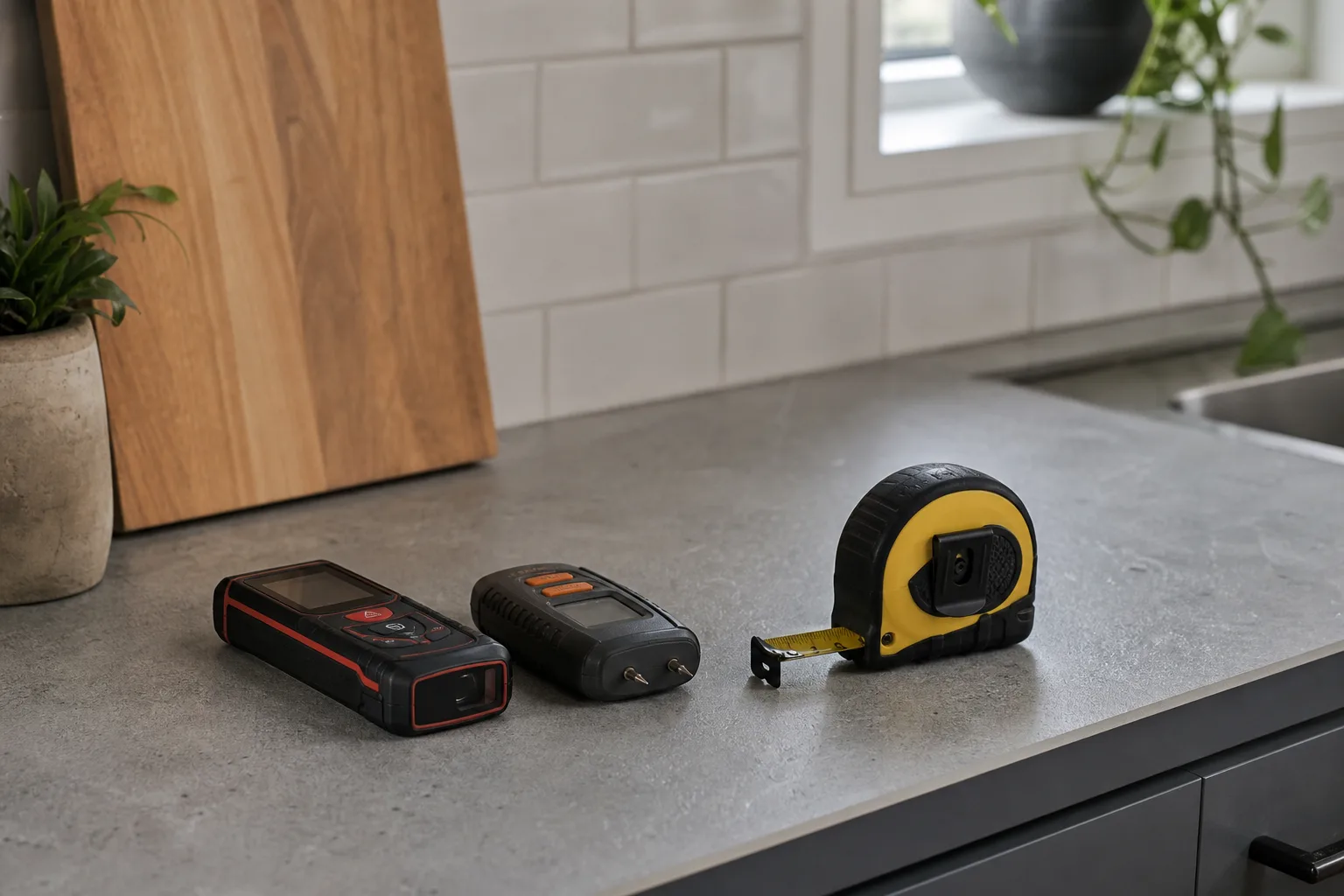
Somebody arrives at the house with a tablet, a moisture meter and a laser measure, introduces themselves as the adjuster, and starts photographing the hallway. Most homeowners never ask which kind of adjuster they are, and it is probably the most consequential unasked question in the entire claims process. Three different types will walk a residential loss, they have different employers, different pay structures and different authority to settle, and only one of them is standing on your side of the table as a matter of design rather than of temperament.
The Staff Adjuster and the Authority Limit
A staff adjuster is an employee of the insurance company, salaried, carrying a company email address and working claims for that carrier alone, and on most residential losses this is who arrives. Their job is to establish what the policy covers and what the loss is worth under it, which is not the same thing as being an adversary. A competent staff adjuster applies the policy accurately and will often find coverage the homeowner had no idea they held, particularly around debris removal, additional living expenses and the matching of undamaged materials, and a great many of them are careful and fair about it.
What they are not is your representative, since their duty runs to the carrier and they work inside an authority limit, meaning there is a dollar figure above which a supervisor has to approve any settlement. Asking politely what that limit is happens to be a legitimate question and occasionally a very useful one, because it tells you whether the person you have spent an hour persuading is actually able to say yes. If they are not, the persuading needs to be aimed at producing a document their supervisor can approve rather than at winning the conversation in your kitchen.
The Independent Adjuster and the Fee That Shapes the Visit
An independent adjuster is a contractor rather than an employee. They work for an adjusting firm that carriers hire when volume spikes after a storm, or when a loss sits somewhere the carrier keeps no local staff, and they may be handling claims for four different insurers in the same week. They are still working for the carrier and not for you, and they are usually paid per claim rather than per hour, which is a fee structure worth understanding rather than resenting.
Per claim pay rewards throughput. That is entirely fine on a straightforward loss and a genuine problem on a complicated one, because a complicated loss is exactly the kind that a per claim fee discourages anybody from spending three days inside. Two practical consequences follow. After a widespread storm the person assigned to you may be honestly overloaded, and gentle written persistence works better than escalation. And their scope sheet, the itemized document listing what they believe needs repairing, is where the claim is actually decided, which makes asking for a copy and reading it line by line an entirely reasonable thing to do before agreeing to anything.
The Public Adjuster, Who Is Retained by You
A public adjuster works for the policyholder. They are licensed by the state, retained by you, and paid a percentage of the settlement, commonly somewhere around a tenth of the recovery with the exact figure regulated in many states. What they do is prepare and present the claim, documenting the loss, writing their own scope and estimate, and negotiating with the carrier's adjuster on your behalf. On a large or contested loss a good one frequently recovers more than the fee, since the difference between a thorough scope and a quick one is not marginal.
They are not automatically the right call. On a small and clean claim the percentage is real money for work you could do yourself, and they cannot help with a coverage question, which is a legal matter rather than a valuation one. If you do engage one, read the fee agreement closely. Check whether the percentage applies to the entire settlement or only to the amount recovered above what the carrier had already offered, since those are very different deals. Check the term too, because some agreements run until the claim closes regardless of who does the work. Verify the license with the state insurance department, which takes a minute, and do that first with anybody soliciting door to door after a storm.
Finding Out Which One Is Standing in Your Kitchen
Ask at the front door, in roughly these words: are you employed by the carrier, are you an independent contractor working this claim for them, or are you a public adjuster. Then ask for a card and write down the adjusting firm's name where there is one. Two follow up questions finish the picture, which are who assigns your work on this claim and who approves the final settlement. Between them those answers describe the whole reporting structure, and the structure is what tells you who actually has to be persuaded.
Working the Inspection Well, Whoever Shows Up
The inspection is the single most important hour of a claim, and homeowners routinely spend it apologizing for the mess. Walk the loss alongside them rather than leaving them to it, and point out every affected area including the ones that look minor, because damage that is not observed is damage that does not get scoped. Have your own photographs from the day of the loss open on a tablet and ready to show, since conditions change and yours are the only record of what the rooms looked like before anything moved.
Photograph what they photograph, so that you know afterward what was documented and what was not. Write down the time they arrived and left and what they said about scope, because a short factual note made the same day is worth a great deal three weeks later when somebody remembers the conversation differently. Then ask for the scope sheet and the estimate in writing along with a date you can expect them, and follow up by email so that the request itself carries a timestamp.
When the Scope Comes Back Short
This is common and it is usually not adversarial. An adjuster works from what could be seen in one visit and a contractor works from what appears once the wall is open, and the gap between those two is the ordinary substance of a claim rather than a sign of bad faith. It gets resolved with a written supplement, which is a normal part of the process and one that carriers handle every day of the week.
The way to raise it is with your contractor's line item estimate sitting next to the scope sheet, pointing at specific differences: the scope allows patching four feet of drywall while the estimate shows the whole wall, because the material is discontinued and cannot be matched. That conversation is technical rather than emotional and it succeeds far more often than a general objection that the number seems low. The homeowners who come out of a serious claim satisfied are rarely the ones who fought hardest. They are the ones who established at the front door who they were talking to, kept a dated record of every exchange, and brought a specific document to every disagreement.