Legal Affairs — Field report TQL-LAW-768
The Paralegal Builds the File and Decides How Fast It Moves: Send This First
An hour spent establishing basic facts is an hour not spent on advice, and you are paying the same rate for either version of it.
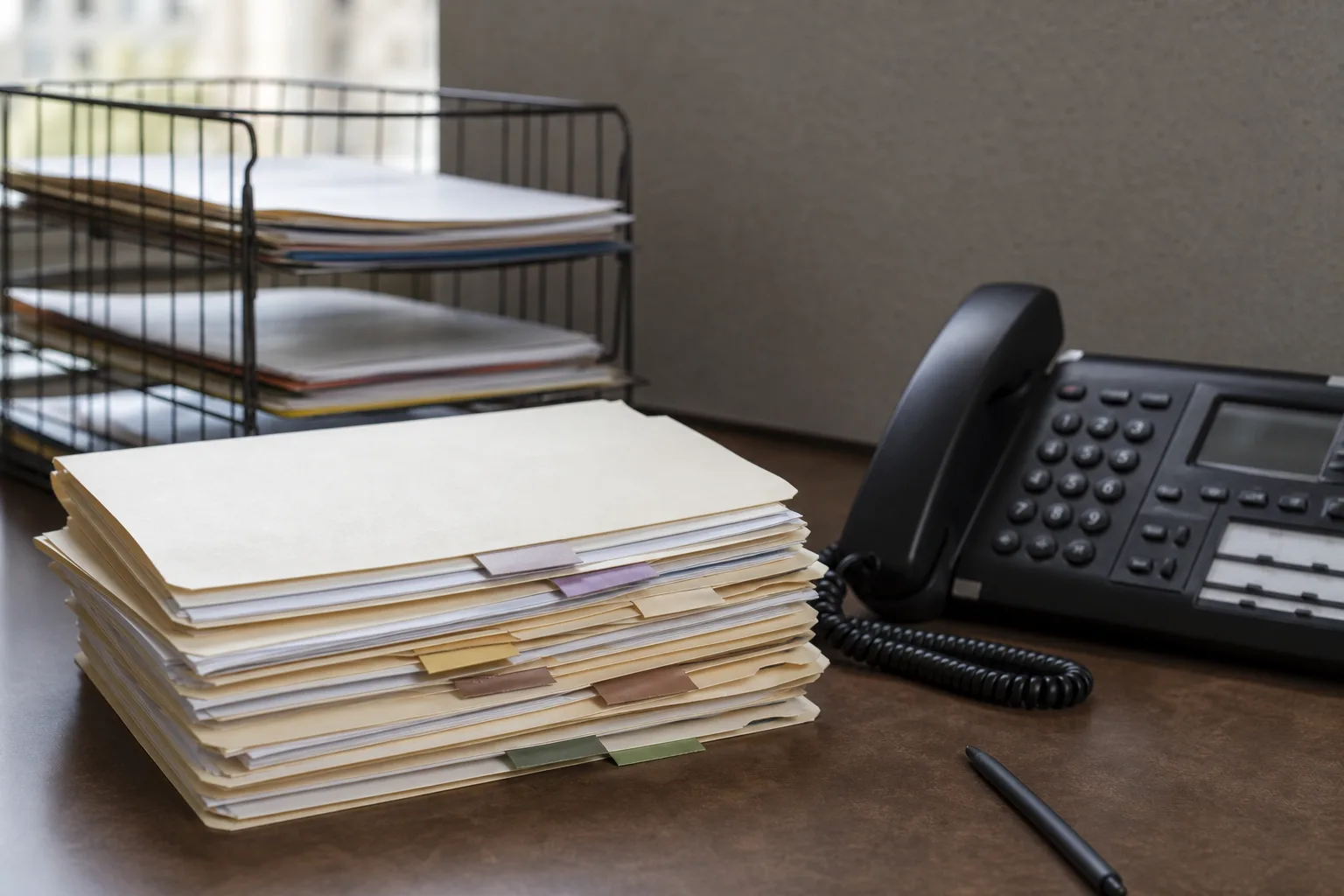
Picture the first hour of a legal matter from the other side of the desk. The person who will assemble your file, chase your documents, calendar your deadlines and know where everything is by month two is usually not the attorney at all. It is a paralegal or a legal assistant, and how quickly a matter moves has a great deal to do with how easy their first week was made. It also decides what the meeting itself is worth, since an hour spent establishing basic facts is an hour not spent on advice, and the rate is the same either way.
Send It Before the Meeting Rather Than to It
Ask when you book the appointment whether you can send documents in advance and how they prefer to receive them, because most offices will say yes and most clients never think to ask. The difference is substantial: an attorney who has read a two page chronology and a contract before you sit down opens with questions rather than with an invitation to explain the whole thing from the beginning, and that alone can be twenty minutes of a sixty minute consultation, redirected from narration to advice.
The One Page Chronology
This is the single most useful document a client can produce and almost nobody produces one. Dates down the left in order, one line each, plain factual statements with no adjectives, no argument and no explanation of why anybody behaved badly. Signed contract and paid a third by check on the fourth of March. Work began on the nineteenth. Told by phone on the second of April that the specified material was unavailable and a substitute proposed. Sent an email the following day confirming the substitution and the credit. Work stopped on the twentieth, with no crew on site after that date.
If it runs past two pages you are including argument rather than events, so cut it back until only the events remain. The discipline of writing it is worth something on its own, because the lines with nothing behind them become visible while you are still at your own table, and those are the parts of the story that will attract a question you cannot answer. A chronology that fits on one page and is entirely supportable is worth more than four pages of grievance, to you as much as to the office reading it.
The Documents, Named So They Sort Themselves
Send the core set rather than everything you own. For most matters that means the contract or agreement, complete with any attachments and terms it references. Proof of every payment, with dates and methods. The three or four written exchanges that matter most, in their original form with headers showing sender and date. Any notice or demand already sent or received, and photographs in a single folder if the matter involves property. Name each file with the date first in year month day order, so the folder arrives already sorted, and resist sending everything, because a hundred pages of texts with no indication of which four matter will get skimmed and the four will be missed.
The Cover Note, and the Sentence About Deadlines
Three or four sentences at the top of the email covering what the matter is, what you want to achieve and any deadline you already know about. Attaching documents for Thursday's appointment; the contractor stopped work in April with the bathroom unfinished and roughly a third of the contract price paid ahead; I would like to know whether pursuing the balance is worth it and what the realistic options are; I am not aware of any deadline but have not checked. That last sentence earns its place, because it flags the deadline question without pretending to know the answer, and deadlines are the first thing a competent office will go and look at.
Three Questions to Ask, and What to Send Afterward
Write them down beforehand, because otherwise the hour fills itself and you leave without them. Is there a deadline I need to know about and what is it, covering limitation periods, notice requirements and anything in the contract, which is the question with the most consequence and the one clients most often forget. What is the realistic range of outcomes including the bad end, asked specifically, because the bad end is the number you actually need for deciding whether to proceed. And what would you charge to handle only the next step, which opens the door to limited scope work that a lot of offices offer and few advertise.
Then send a short email the same day summarizing what you understood and what was agreed as next steps, asking them to correct anything you have wrong, which takes four minutes, becomes part of the file, and catches misunderstandings while they are still free to fix. After that, stay easy to work with: respond to document requests quickly, send things in the format they asked for, and keep your own copy of everything you hand over. Clients who do this get their calls returned faster, and it is not favoritism of any kind. An organized file moves because moving it is less work, and the person doing that work has several other files that arrived in a shopping bag.