Money — Field report TQL-MON-410
Should You File a Small Insurance Claim, or Quietly Absorb It Instead?
Wind takes down a fence panel and the repair sits a few hundred dollars over the deductible. Whether the claim gets paid is not the question.
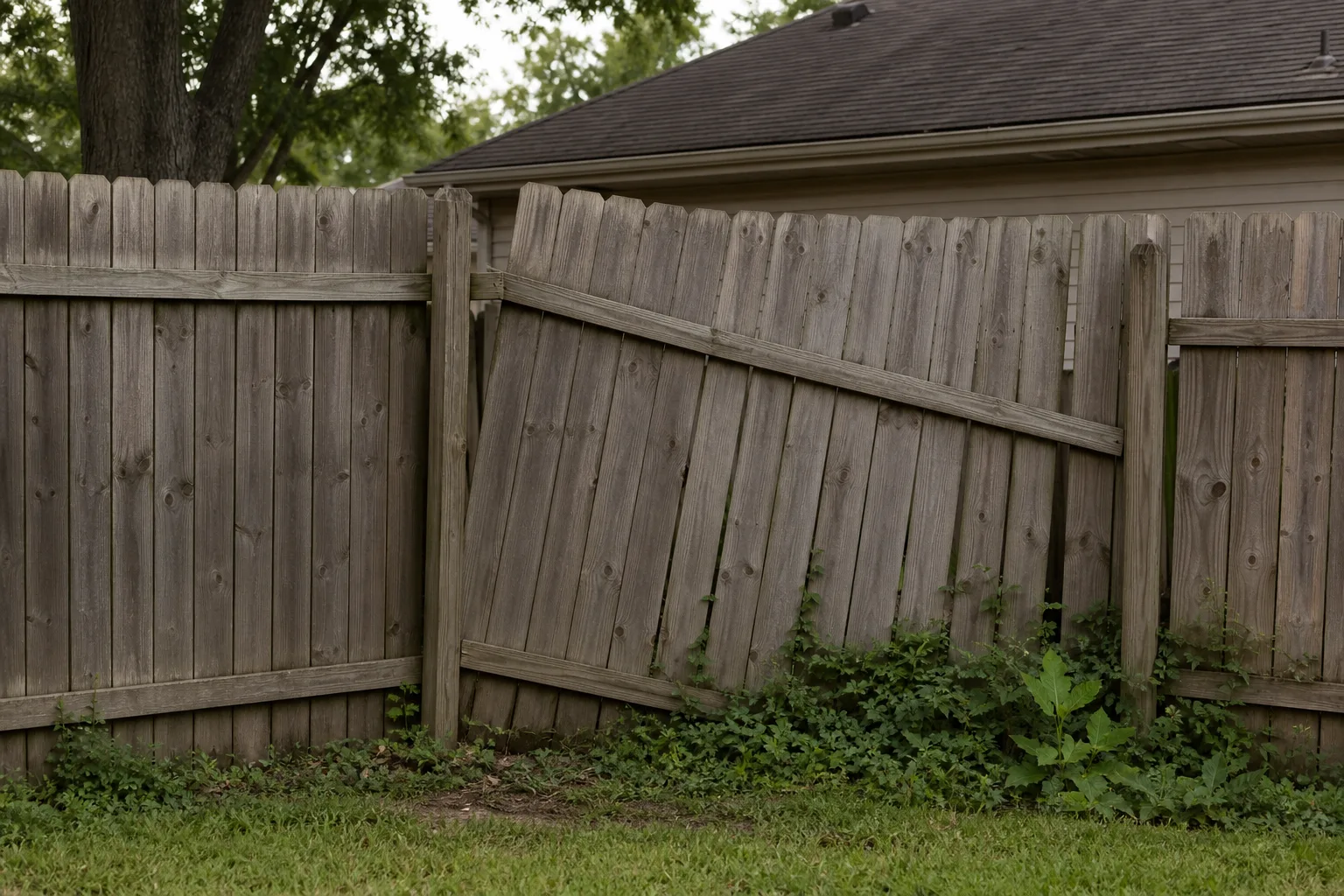
Wind takes down a fence panel overnight and the repair lands a few hundred dollars above the deductible, so the natural instinct is that this is exactly what the policy is for. Sometimes that instinct is correct and often it is wrong, for reasons that have nothing at all to do with whether the insurer would pay. It has to do with what a claim record does over the following several years, which is the part almost nobody can see at the moment of picking up the phone, and which turns a few hundred dollars into a decision worth ten minutes of arithmetic.
What a Claim Record Actually Is
Property insurers share claim history through industry loss databases, and the record attached to a given address includes claims filed on it regardless of who owned the house at the time, generally holding several years of history. The report you can request about yourself is a consumer report, which means it carries the same right to see it and to dispute what is wrong in it as any other, and those rights sit inside the consumer reporting law the Consumer Financial Protection Bureau is charged with enforcing.
Two things go into that record that surprise people. A claim that was filed and then withdrawn can still appear on it, having been opened. And an inquiry, meaning a call to your agent asking whether something would be covered, is sometimes logged as a claim even though no payment was ever requested or made. That second one is worth knowing before making an exploratory phone call, and it argues for asking the hypothetical question in general terms rather than about a specific loss that has already happened at your address.
The Three Ways a Small Claim Costs You Later
The first is losing a claims free discount, which most carriers apply for a period without claims. It comes off as an immediate percentage increase at the next renewal, applied across the whole premium, and it takes a stretch of clean years to earn back. The second is a surcharge or a re rating, separate from the discount, where a claim moves the household into a different rating tier and the increase repeats every year until the claim ages off the record. That repetition is what turns a modest payment into a number worth comparing.
The third is the one people miss entirely, which is what happens when you shop. Even where your current carrier is reasonable about a claim, the history follows you into every quote you request afterward, and a household with two claims in recent memory may find some carriers decline to quote at all. What has been lost there is not a dollar figure but the ability to move when a renewal rises for reasons that have nothing to do with you, which is the quiet cost of having used the policy for something it could have absorbed.
The Arithmetic Worth Doing Before You Call
It takes ten minutes and it beats intuition every time. Get the repair estimate and subtract the deductible, which is what the claim would actually pay you. Ask your agent directly what a claim of this type usually does to a renewal, since a straight answer is a reasonable thing to expect and most agents will give one. Multiply that annual increase by the number of years the claim will sit on the record. Then compare the two numbers, and notice which one is larger.
Add a fifth step if you have filed anything recently, because carriers weigh frequency heavily and two claims in a short window affect a household far more than one did. The second claim in three years is a materially different decision from the first even at the same amount, and it should clear a higher bar. For a claim paying out modestly over the deductible the multiplied figure frequently exceeds the payment, while for a claim well into five figures it almost never does and you should file without hesitating. The uncomfortable middle is where judgment lives.
The Claims Where Filing Is Clearly Right
Cost consciousness turning into under use of coverage you are paying for is its own expensive mistake, so it is worth naming the cases that need no deliberation at all. File when the loss is large relative to what the household could absorb, since that is precisely what the policy exists for. File when anyone was injured or a third party might bring a claim against you, because liability matters are not optional to report and delaying notice can prejudice the coverage itself. File when the damage might be more extensive than it looks, particularly with water, fire or anything structural, since a claim opened promptly can be supplemented later while one never opened cannot be.
Raising the Deductible on Purpose
If you have concluded that you would not file for anything under a certain figure, the coherent move is to raise the deductible to roughly that figure and take the premium reduction. You are already self insuring that band and may as well be paid for doing it. The test is whether you could write that check tomorrow without borrowing, and if the answer is no then the deductible is too high whatever the savings look like on paper.
Two cautions belong with that. Percentage deductibles for wind, hail or earthquake behave differently from flat dollar ones and can be much larger than owners expect on a high value home, and many mortgage servicers set a maximum deductible as a condition of the loan. If you do raise it, put the difference somewhere. A separate savings account holding roughly one deductible, funded out of the premium saved, turns a higher deductible from a gamble into a plan. It also makes every future version of this decision easier, since a small loss stops being a financial event and becomes a transfer from an account that exists for exactly that.
Why This Is a Purchase Decision Like Any Other
Two habits, done once a year, make the whole question quick. Ask your agent at renewal what the claims free discount is actually worth on your policy in dollars and how long a claim affects the rating, then write both answers on the same sheet as your policy numbers, because that is the multiplier the arithmetic needs. And request your own loss history report every couple of years the way you would check a credit report, since errors happen, including claims recorded against an address by a previous owner, and they are far easier to correct at leisure than in the middle of shopping.
None of this is an argument for avoiding claims, which would be a strange thing to argue about a product bought specifically to be used. It is an argument for treating the small ones the way you would treat any other purchase of a few thousand dollars, because across the life of a policy that is what they quietly amount to. The fence panel is still a fence panel. What the decision is really about is whether this is the year to spend the discount, and that is a question with an answer rather than a feeling.