Money — Field report TQL-MON-676
Most of a Claim Happens by Phone and Almost None of It Survives the Call
Somebody tells you what will be covered, what the next step is and when to expect it. None of that exists anywhere afterward unless you put it there.
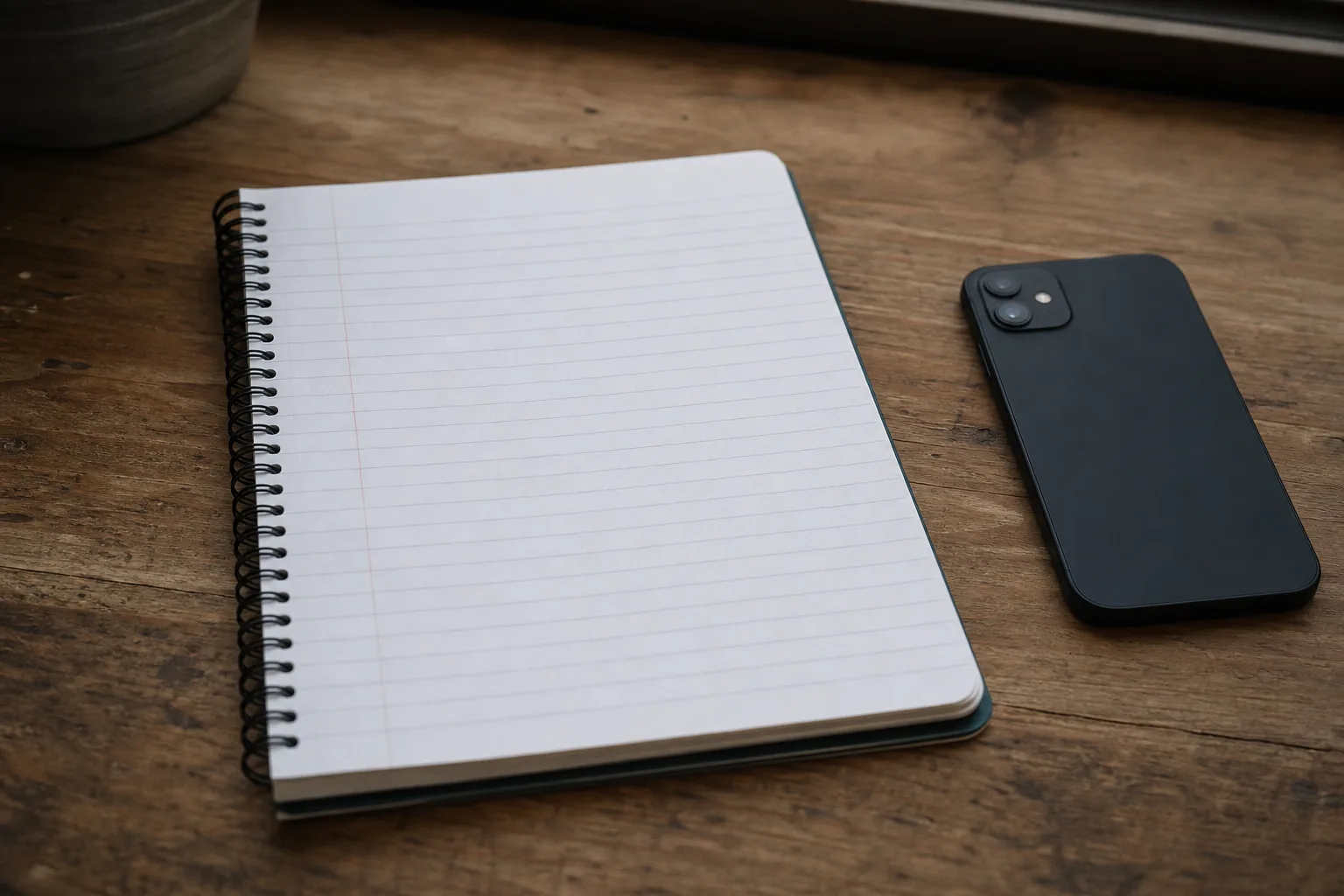
An insurance claim runs entirely on documents, and the awkward thing about that is how much of the substance happens by telephone. Somebody tells you what will be covered, what the next step is, who has the file now and when to expect a decision, and none of it exists anywhere at all once the call ends unless you put it somewhere. Two habits close the gap. A diary and a follow up email, which between them take about three minutes per interaction and change the character of the entire claim.
Setting the Diary Up on the First Day
One document, one file or one notebook, and not notes scattered across three of those. At the top, before any entries at all, record the fixed facts you will need over and over. The claim number and the date of loss. The policy number and the carrier's claims line. The adjuster's name, direct number, email address and whether they are staff or independent. And the name of the adjuster's supervisor, which is worth asking for early, while everything is still friendly.
Then every deadline the policy contains, meaning the proof of loss period, the suit limitation date and any deadline the carrier gives you in writing. Those deadlines are precisely why this belongs on day one rather than day thirty, because they are the two or three things capable of ending a claim that would otherwise have been paid. Ask directly in the first call what documents are required and by when, and write the answers into the same page.
What One Entry Looks Like
Every contact gets a line, written the same day, in the same shape. June 3, 10:15am, called the adjuster on his direct line, left a voicemail asking about the status of the contents estimate; he returned at 2:40pm, said the contents review is with the desk examiner, expects a decision by the end of next week, and confirmed the living expense reimbursement will be processed against receipts submitted through the portal. Time, who, direction of the call, what was asked, what was said, what happens next. Six elements and about thirty seconds, and the value is never in any single entry but in the pattern a run of them makes.
The Follow Up Email, Which Is the Important Half
After any call where something was decided, said or promised, send a short email the same day, which should not read like a formal letter and should not be one. Thanks for the call this afternoon, confirming my understanding that the contents review is with the desk examiner and you expect a decision by the end of next week, and that living expenses will be reimbursed against receipts through the portal. Please let me know if I have any of that wrong.
Three sentences, and what they accomplish is out of all proportion to their length. The email creates a dated record of an oral conversation. It gives the other person an immediate chance to correct a genuine misunderstanding, which is useful to both sides and occasionally saves weeks. And an unanswered email stating a clear understanding becomes a meaningful fact if the position later changes, since a professional who disagreed would ordinarily have said so at the time. Nobody objects to these, and adjusters carrying a lot of files often find a written summary helpful themselves.
Naming the Files So the Folder Sorts Itself
Alongside the diary, keep every document and name each file with the date first in year month day order, then a few words, so the folder arranges itself chronologically without anybody maintaining it. Photographs from the loss, the scope sheet, contractor estimates, every letter from the carrier, every receipt for living expenses and for anything spent protecting the property. Keep a one line index at the top listing what is in there, so that when somebody asks whether you submitted the contents inventory, the answer takes ten seconds and includes a date.
Escalating From a Chronology Rather Than From Memory
The diary tells you when, which is the part people struggle with on their own. Two or three missed commitments, or a stretch of silence past a stated timeframe, is the point. Escalation is not a complaint and does not need to sound like one. It is an email to the adjuster's supervisor carrying the claim number, a short factual chronology drawn straight from the diary, and one specific request, such as a decision on the contents review or a call back by a named date.
That message works because every line has a date behind it, so it reads as somebody organized rather than somebody upset, and those two get very different responses. If a claim still will not move after supervisor level escalation, a state department of insurance accepts complaints from policyholders and forwards them to the carrier for a response, and a complaint arriving with a clean chronology attached is a different object from one written from memory. Keep the whole file for several years after the claim closes, because three minutes per interaction is the difference between a claim you are managing and a claim that is happening to you.